
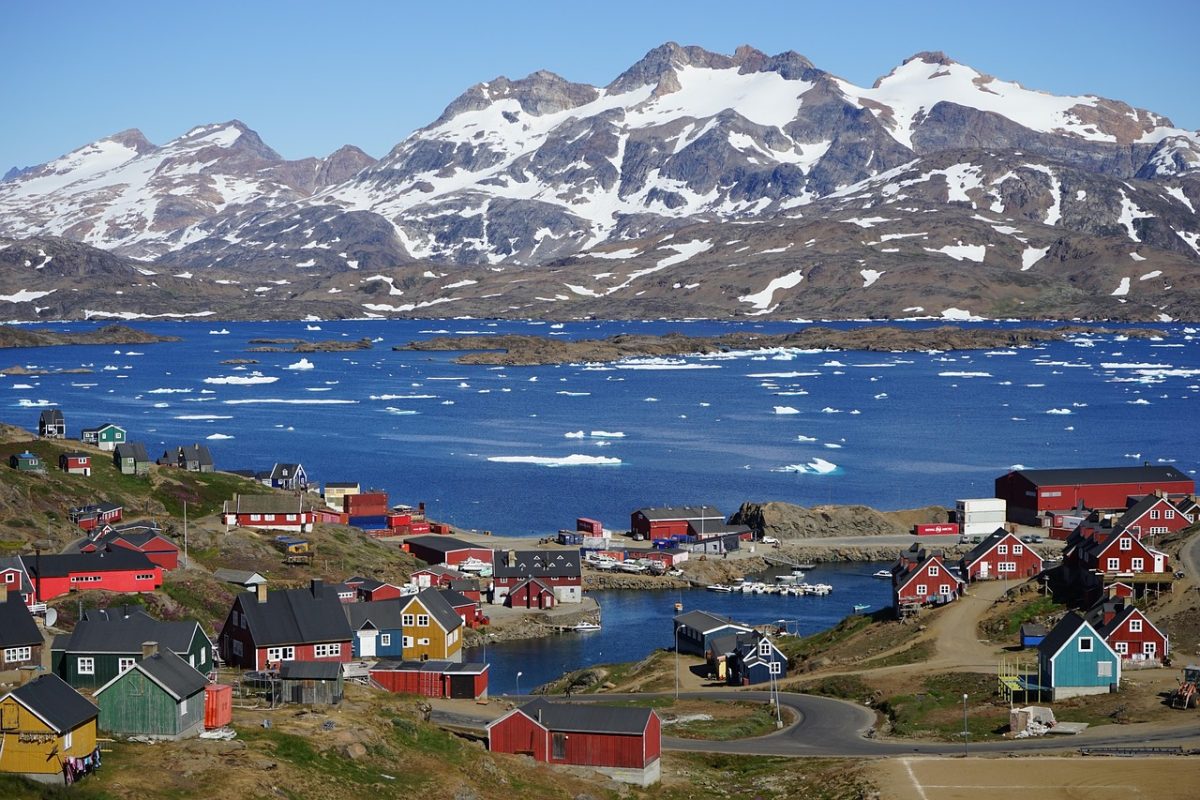
Among the various controversial decisions of President Trump, one stood out above most others recently and that is the potential acquisition of Greenland. Greenland is an island that is semi-autonomously governed by the Kingdom of Denmark, an ally to the U.S. and NATO (North Atlantic Treaty Organization member country). This action sparked massive debates globally as President Trump allegedly threatened to acquire the island either, “The Easy Way,” or, “The Hard Way,” implying the use of military force on an American and European ally.
The main controversy stems from the alleged threats of military might to forcefully take control of the island, as doing so would invoke Article 5 of the NATO treaty which says, “An attack on one is an attack on all,” meaning if we invade Greenland, then we will be locked into a potentially costly war with nearly all of Europe.
In the event that we do invade and annex Greenland, the U.S. would lose many important strategic allies in Europe like Germany, France, and the U.K for example, along with our military bases in said countries. This loss could also potentially give competitors like Russia or China an advantage over us on the global political stage, damaging our diplomatic ties.
Despite all the negatives previously mentioned, the acquisition of Greenland could bring many benefits such as: Unparalleled access and dominance over the Arctic region, massive deposits of rare Earth minerals that could topple China’s monopoly, and greater research output in the tech industry, as well as the military industrial complex. Rare Earth minerals play an absolutely crucial role in modern industries and are used for things like electronics, high strength batteries, military defense systems, and much more.
What this means for the average American in the event of Greenland’s annexation, if peaceful, is a potential increase in jobs, potentially cheaper gas from Greenland’s oil deposits, and possibly new innovative tech products for consumers. Aside from the potential increase in employment, none of the other benefits to the average citizen is guaranteed and minimally changes to our lives. In the event of a war over Greenland, Americans may see higher prices on groceries, gas, and other items as well as the potential for a military draft.
In conclusion, debates over the future of Greenland are heavily controversial and can absolutely play out both ways. From a damage control standpoint, the U.S. should prioritize peaceful negotiations over Greenland, because it brings the least amount of negatives.