
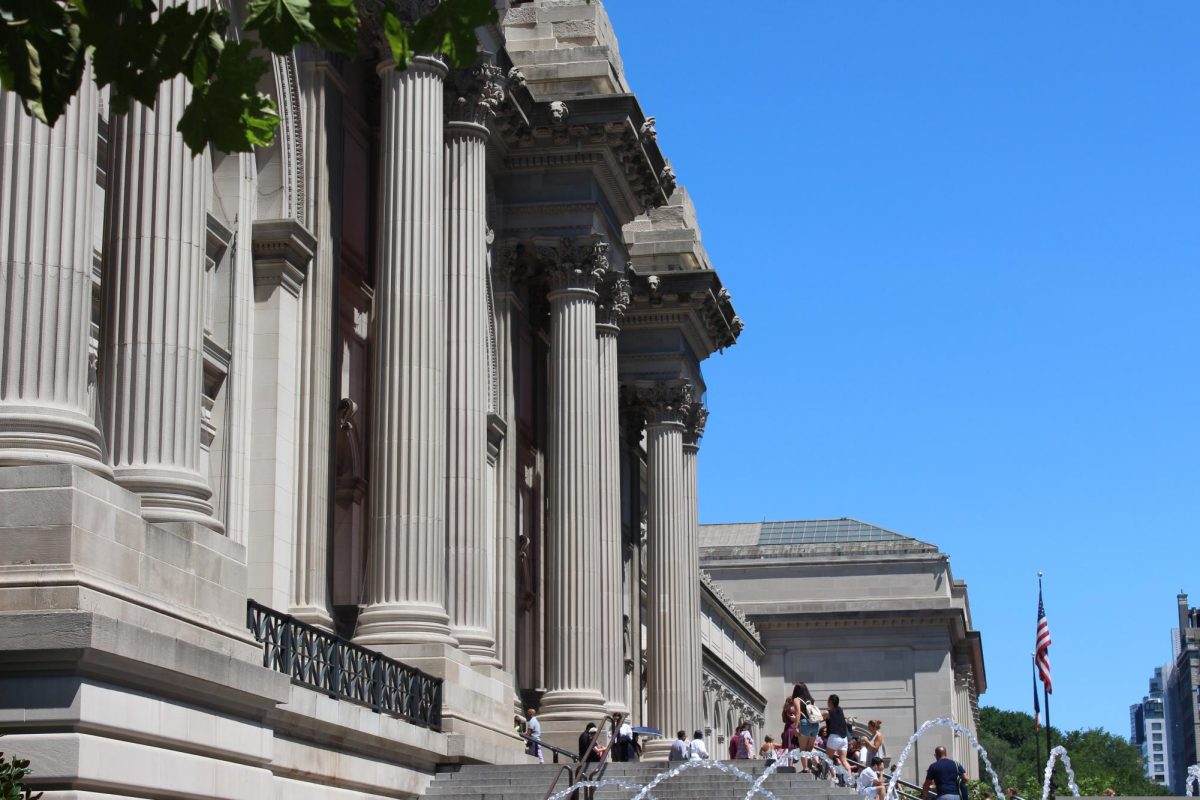
Every year on the first Monday in May, celebrities, designers, athletes, musicians, influencers, and some of the world’s wealthiest people gather on the steps of the Metropolitan Museum of Art for one of the most watched fashion events in the world: the Met Gala. What began as a small fundraising dinner has transformed into a global cultural phenomenon followed by millions online. The event now shapes fashion trends, drives internet conversations, influences celebrity culture, and raises enormous amounts of money for the museum’s Costume Institute.
The Met Gala was founded in 1948 by fashion publicist Eleanor Lambert. Lambert was an important figure in the American fashion industry and helped establish events like New York Fashion Week. Her goal for the gala was simple: raise money for the newly created Costume Institute at the Metropolitan Museum of Art.
At the time, the event was far less glamorous than it is today. Tickets cost around fifty dollars, and guests were mainly members of New York high society. The gala was more like a traditional charity dinner than a worldwide media event. It was attended mostly by wealthy donors, fashion insiders, and museum supporters rather than movie stars or influencers. Everything changed in the 1970s when fashion editor Diana Vreeland became a consultant for the Costume Institute. Vreeland transformed the gala into a theatrical fashion event connected directly to museum exhibitions. She introduced themes, celebrity guests, and dramatic fashion presentations. Under her influence, the gala became more artistic, exclusive, and media-focused.
The event continued to grow throughout the 1980s and 1990s, but its modern form was shaped largely by Anna Wintour, who became chair of the gala in 1995. Wintour turned the Met Gala into the most important night in fashion by bringing together luxury brands, Hollywood celebrities, musicians, athletes, political figures, and social media personalities. Under her leadership, the gala became both a fundraising powerhouse and a major cultural event.
The gala supports the Costume Institute, which is the fashion department of the Metropolitan Museum of Art. Unlike most museum departments, the Costume Institute must fund itself independently, making the gala extremely important financially. Money raised through ticket sales, sponsorships, and donations helps support fashion exhibitions, museum preservation, educational programs, historical fashion archives, and research and curation. Today, tickets reportedly cost tens of thousands of dollars, while tables sponsored by luxury brands can cost hundreds of thousands. The gala raises millions of dollars in a single night.
Luxury fashion houses such as Chanel, Gucci, Versace, and Louis Vuitton often buy tables and invite celebrities to wear their designs. This creates partnerships between brands and public figures that generate publicity for both sides. The event is also supported by sponsors and media organizations, especially Vogue, which helps broadcast the gala globally through interviews, livestreams, and social media coverage
Each year, the event is tied to a specific exhibition theme. These themes inspire the dress code and encourage designers and celebrities to interpret fashion as art. Some famous themes have included “Heavenly Bodies: Fashion and the Catholic Imagination,” “Camp: Notes on Fashion,” “China: Through the Looking Glass,” and “Karl Lagerfeld: A Line of Beauty.” The themes are important because they turn fashion into a cultural conversation rather than simply a display of expensive clothing. Designers often spend months creating custom looks meant to fit the theme artistically or symbolically.
The gala is organized by the Costume Institute of the Metropolitan Museum of Art, but Anna Wintour is widely considered the public face and main organizer of the event. As editor-in-chief of Vogue and a major figure in global fashion, Wintour controls much of the guest list and overall direction of the gala. This guest list is one of the reasons the Met Gala is so exclusive and influential. Not everyone with money or fame can attend. Invitations are carefully selected, and approval often depends on cultural relevance, fashion influence, or relationships within the industry.
Despite its popularity, the Met Gala receives significant criticism. Many people view it as a symbol of wealth inequality and elite culture. The event features extremely wealthy celebrities wearing expensive designer clothing while many ordinary people struggle financially. Critics argue that the gala promotes consumerism and luxury obsession, while fashion brands use it mainly for marketing. Others believe the event appears disconnected from real-world problems. There has also been criticism regarding cultural appropriation, especially when celebrities wear outfits inspired by cultures or religions they do not fully understand.
The gala also reflects broader cultural changes. In earlier decades, the guest list focused mainly on movie stars and fashion elites. Today, influencers, athletes, musicians, and internet personalities are included because social media influence has become just as important as traditional fame. Creators from platforms like TikTok now attend alongside actors and musicians, showing how digital culture has changed the definition of celebrity.
The Met Gala’s influence comes from its ability to combine exclusivity with mass attention. Very few people can attend, yet millions participate online. This balance between elite access and public fascination keeps the event culturally powerful.