
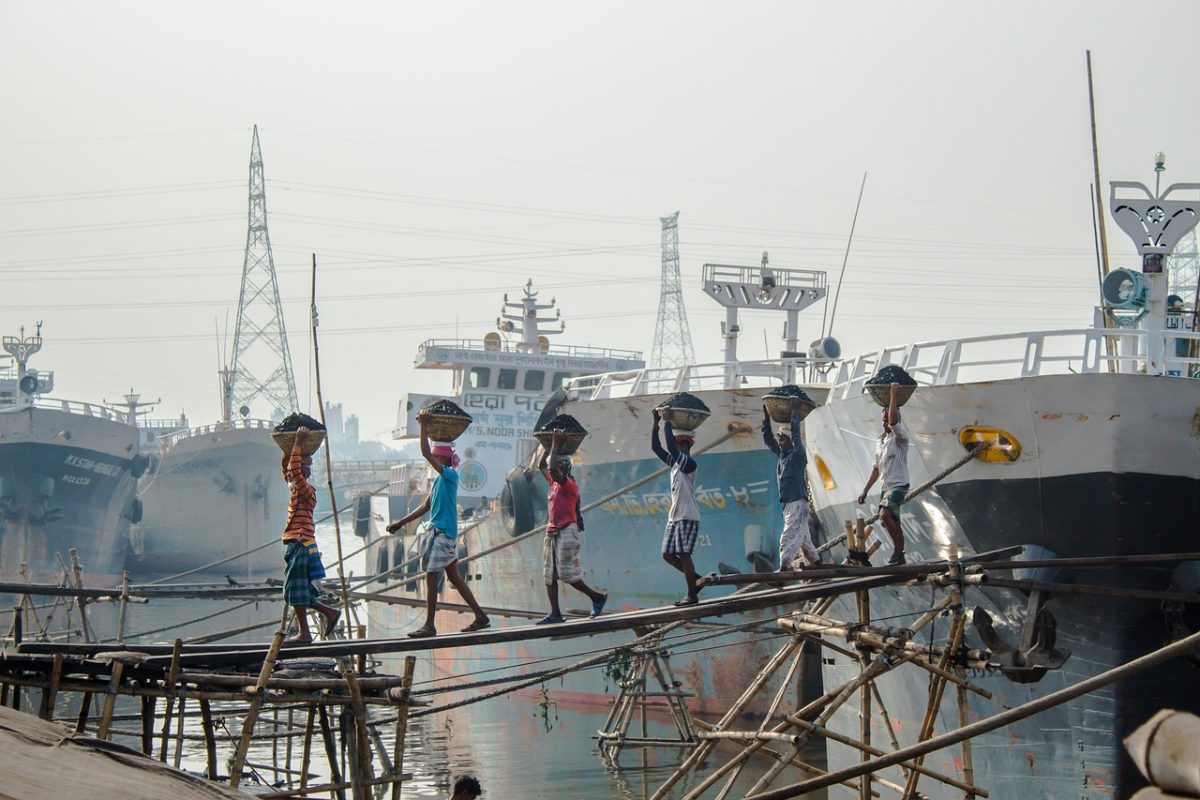
Slavery is often thought of as something from the past, but it still exist today in many parts of the world. Many people are forced to work in dangerous conditions with little or no pay and no freedom to leave their work. These situations may look different from the past, but they share the same idea of exploitation and control as slavery. Slavery did not fully end, and it continues today.
One example is in India, where workers in sandstone quarries work long hours in extreme heat, and breathe in harmful dust that can damage their lungs. Many workers are trapped in debt bondage, meaning they owe money and can’t leave their jobs even if they want to. This system keeps people stuck for years with no real way out. It makes their lives very difficult and unsafe.
Another example is in factories that produce everyday goods like tofu, where workers may be exposed to toxic chemicals and unsafe environments. Some of these workers are migrants who can’t leave because of threats or withheld pay. Reports have shown that they often have no protection or rights. This creates conditions that are very similar to slavery.
Modern slavery is hard to see, because it is hidden in global supply chains and many products come from these places without people knowing. Lack of laws and enforcement allow this to continue in many countries. Governments and companies need to take more responsibility to fix this problem. It also depends on people being more aware of where products come from and how the products are made.
In conclusion, modern day slavery is still a serious issue that affects millions of people around the world. Even if it is not always visible, it is still happening in many industries. Learning about it is the first step to making change. It reminds us that more action is needed.