
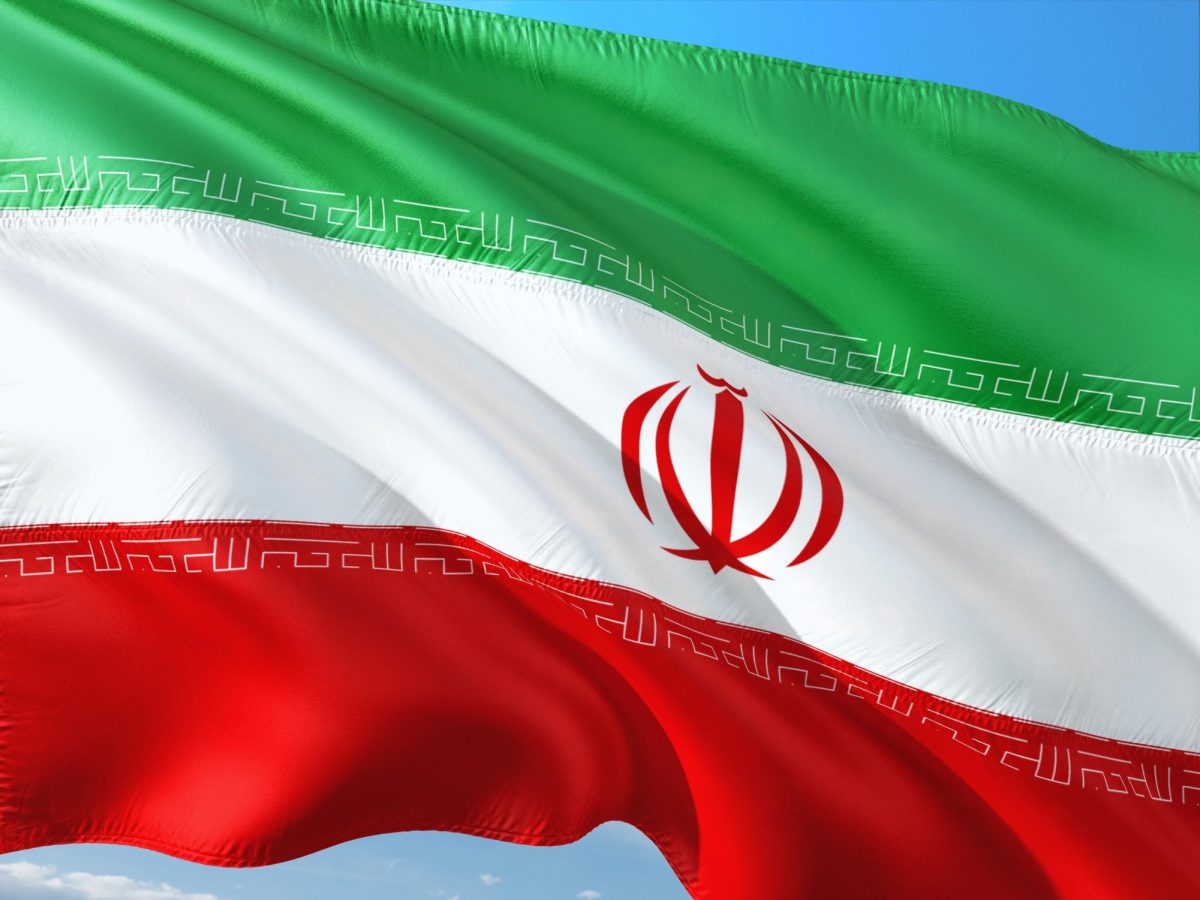
On February 28, 2026, Iran and the U.S. engaged in a proxy conflict due to the U.S. and Israel having a fear of a future direct war from the sudden build up of nuclear materials in Iran. As the conflict continued in early April, Trump announced a temporary ceasefire with Iran on April 8, 2026. Afterward, on May 11, 2026, Trump stated that the current truce is on the verge of collapse and he will resort again to military operations. This was shifted when Trump stated how he will handle this situation without resorting to military conflicts, and potential results if the truce does fail.
On May 18, 2026, President Trump declared his shift in action by postponing military attacks in Iran to encourage a more peaceful negotiation. He not only delayed his military strike on Iran, but he also stopped his promotion of the collapse of the Iranian government and placed his trust in his diplomats such as the head of government of the regional Gulf allies in establishing a new arrangement that would make having direct military conflict unnecessary. Additionally, Trump declared that he wanted make the global fuel markets more stable by reducing gas and oil prices. However, as the Straight of Hormuz remains at a near stand still, prices are very high.
If negotiations fail, there would be negative effects that could impact the world economically or physically. For instance, the U.S. will resort to giving permission to their military to continue an assault on Iran, resulting in more casualties on both sides. This would potentially cause an increase in prices of the global fuel markets due to Iran blocking off their chokepoints, meaning that the U.S. will go through inflation trigged by the oil markets. Not only would it affect the U.S., but it would also potentially have Iran speed up their developments of uranium enrichment which is the complete opposite of the purpose of the negotiation. The world is on edge as this crisis continues.