
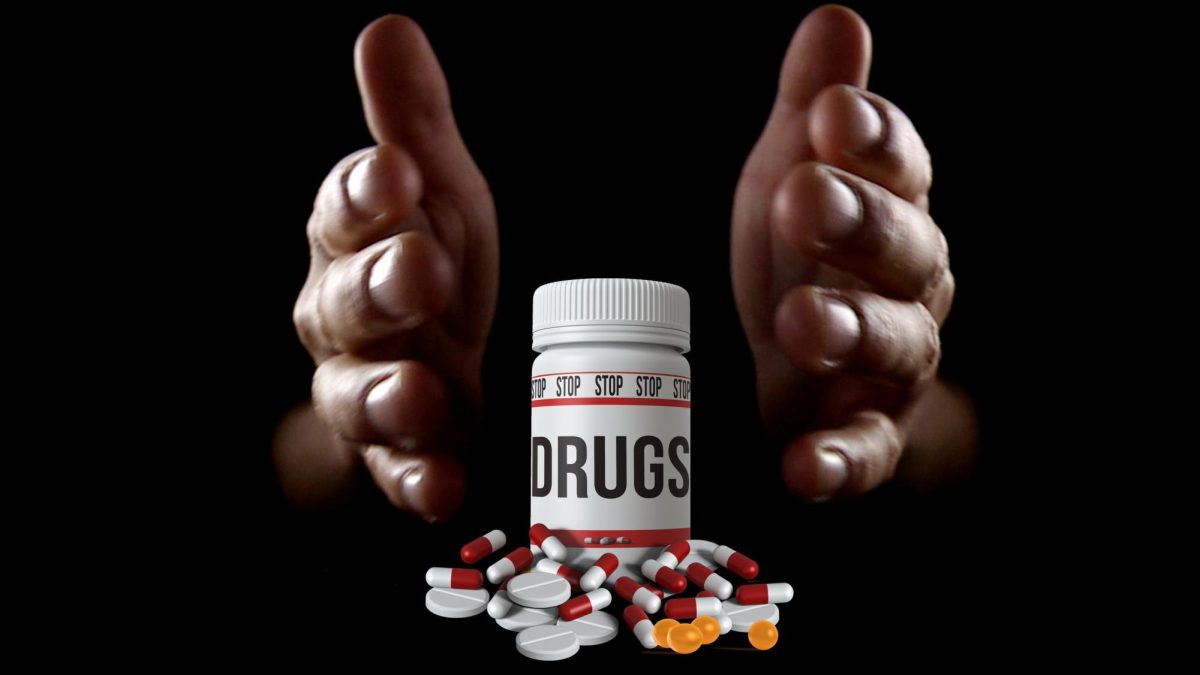
All illegal drugs can be very dangerous for adolescents. This article will focus on five drugs which are particularly hazardous to young adults.
Alcohol is one of the most commonly used substances, but it can have serious negative effects on the body and mind. Short-term use can impair judgment, coordination, and reaction time, increasing the risk of accidents and injuries. Long-term abuse can damage vital organs, especially the liver, leading to conditions such as cirrhosis. Alcohol addiction can also contribute to mental health problems like depression and anxiety, as well as strained relationships and poor decision-making.
Tobacco and nicotine products (THS) are also highly addictive and harmful. Smoking damages the lungs and can lead to diseases such as lung cancer, chronic bronchitis, and heart disease. Even alternative tobacco systems still expose users to harmful chemicals that can affect respiratory and cardiovascular health.
Cocaine is a powerful stimulant drug that can have intense but short-lived effects, often leading users to take repeated doses. It increases heart rate and blood pressure, which can result in heart attacks, strokes, or sudden death, even in otherwise healthy individuals. Cocaine use can also cause paranoia, anxiety, and aggressive behavior.
Fentanyl, a synthetic opioid, is extremely potent and dangerous, even in very small amounts. It significantly slows breathing, and overdose can happen quickly, often leading to death. Because fentanyl is sometimes mixed with other drugs without a user’s knowledge, the risk of accidental overdose is especially high.
Heroin is another opioid drug that is highly addictive and dangerous. It produces a sense of euphoria but quickly leads to physical dependence, making it difficult for users to stop. Long-term heroin use can cause collapsed veins, infections, and damage to the heart and brain. Like fentanyl, heroin can slow breathing to the point of fatal overdose. Additionally, sharing needles increases the risk of contracting serious diseases such as HIV and hepatitis.
Overall, all of these substances pose significant risks to physical health, mental well-being, and overall quality of life. If any student is struggling with addiction of substance abuse, help is available. Students should speak to a friend, trusted adult, or one of your Good Shephard counselors.
Assistance is available for young adults through the Office of Addiction Services and Supports. Check out the link below: